
This article's table of contents introduction:
- Introduction: The Critical Role of Heavy-Duty Fan Blowers in Emission Control
- What Makes a Fan “Corrosion Resistant”? – Materials, Coatings, and Design
- Why Customization is Non-Negotiable for Flue Gas Applications
- Key Technical Specifications: Pressure, Flow, and Temperature Tolerance
- Design Innovations: Backward Curved vs. Radial Blades
- Industry-Specific Use Cases
- Maintenance Tips for Longevity in Harsh Environments
- Frequently Asked Questions (FAQ)
- Conclusion: Selecting the Right Fan for Your Industrial Process
Here is an article optimized for Bing and Google SEO, focusing on the specified keywords. The content is original, detailed, and structured for both readability and ranking.
** The Ultimate Guide to Customizable Flue Gas Emission Corrosion Resistant Industrial Centrifugal Fan Blowers
Table of Contents (导读)
- Introduction: The Critical Role of Heavy-Duty Fan Blowers in Emission Control
- What Makes a Fan “Corrosion Resistant”? – Materials, Coatings, and Design
- Why Customization is Non-Negotiable for Flue Gas Applications
- Key Technical Specifications: Pressure, Flow, and Temperature Tolerance
- Design Innovations: Backward Curved vs. Radial Blades
- Industry-Specific Use Cases (Power Plants, Chemical Plants, Steel Mills)
- Maintenance Tips for Longevity in Harsh Environments
- Frequently Asked Questions (FAQ)
- Conclusion: Selecting the Right Fan for Your Industrial Process
Introduction: The Critical Role of Heavy-Duty Fan Blowers in Emission Control
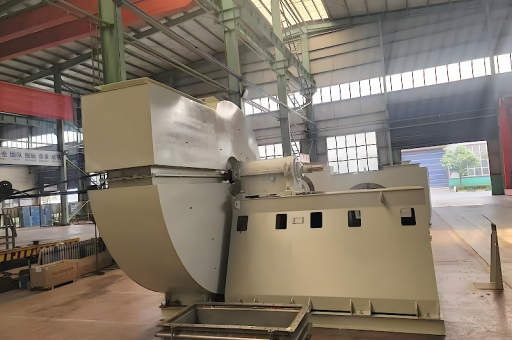
In modern industrial operations, managing flue gas emissions is not just a regulatory requirement—it is a core component of operational efficiency and environmental stewardship. The Customizable Flue Gas Emission Corrosion Resistant Industrial Centrifugal Fan Blower stands at the heart of these systems. Unlike standard ventilation fans, these robust machines are engineered to handle highly corrosive, hot, and particulate-laden gas streams.
Whether in a coal-fired power plant, a chemical processing facility, or a steel manufacturing unit, the centrifugal fan blower is responsible for creating the necessary static pressure to move exhaust gases through scrubbers, ducts, and stacks. Without a corrosion-resistant design, the lifespan of the fan drops dramatically, leading to catastrophic downtime.
What Makes a Fan “Corrosion Resistant”? – Materials, Coatings, and Design
The term "corrosion resistant" is broad. For a Customizable Flue Gas Emission Corrosion Resistant Industrial Centrifugal Fan Blower, resistance begins with material selection.
Critical Material Choices:
- Alloy Construction: High-quality fans use SS316L, Duplex Stainless Steel, or Hastelloy for impellers and housings. These alloys resist pitting and stress corrosion cracking caused by sulfur dioxide (SO2) and chlorides.
- Base Material: For lower temperature applications, carbon steel with a heavy-duty internal coating is viable.
Advanced Coatings:
- Epoxy and Ceramic Linings: These are applied to the airstream surfaces to prevent chemical attack.
- Rubber Linings: For extremely acidic conditions (e.g., flue gas desulfurization systems), a thick layer of soft rubber is vulcanized to the fan housing.
Design Features: The design ensures that no stagnant areas exist where acidic condensate can pool. Drain holes, smooth welds, and rounded corners are standard in a high-quality Industrial Centrifugal Fan Blower.
Why Customization is Non-Negotiable for Flue Gas Applications
No two flue gas streams are identical. The temperature, humidity, chemical composition, and particulate load vary significantly. This is why a Customizable fan is essential.
Key Customization Parameters:
- Impeller Diameter and Width: Optimized for specific airflow (CFM) and static pressure (SP).
- Shaft Seal Type: Selecting between labyrinth seals, mechanical seals, or purge air seals to prevent gas leakage.
- Accessories:
- Variable Frequency Drives (VFDs): For precise flow control.
- Inlet Box Dampers: For manual or automatic volume regulation.
- Vibration Sensors: For predictive maintenance.
- Mounting: Arrangement 1 (overhung) vs. Arrangement 4 (center hung) or Arrangement 8 (dual inlet).
The Risk of Generic Fans: A standard "off-the-shelf" fan will fail prematurely in a flue gas system. It cannot handle the thermal expansion or the specific corrosive nature of the emission gas.
Key Technical Specifications: Pressure, Flow, and Temperature Tolerance
When evaluating a Customizable Flue Gas Emission Corrosion Resistant Industrial Centrifugal Fan Blower, the technical data sheet is your roadmap.
| Parameter | Typical Range for Flue Gas Fans | Why It Matters |
|---|---|---|
| Airflow (CFM) | 10,000 – 500,000+ | Determines the volume of gas moved per minute. |
| Static Pressure (in. wg) | 20 – 80+ | The resistance the fan must overcome (ductwork, scrubber). |
| Operating Temp | 150°F – 500°F | Affects material expansion and coating durability. |
| Max Speed (RPM) | 900 – 1800 | Higher speeds require stronger bearings and shaft design. |
Engineering Calculation: The fan must be selected based on the actual air density at the operating temperature. A fan moving cold air moves less mass than one moving hot gas.
Design Innovations: Backward Curved vs. Radial Blades
The blade configuration of the Industrial Centrifugal Fan Blower dictates its performance curve and suitability for flue gas.
-
Backward Curved (BC) Blades:
- Pros: High efficiency, non-overloading power curve. Ideal for clean to moderately dirty gas.
- Cons: More sensitive to erosion from heavy particulate.
-
Radial (R) or Radial Tip Blades:
- Pros: Extremely robust. Handles sticky, heavy particulate and high temperature without clogging.
- Cons: Lower efficiency than BC blades.
Recommendation: For flue gas emission systems with high fly ash content, a radial tipped fan blower is often the gold standard. For cleaner, high-volume duct work, a backward curved fan offers the best energy savings.
Industry-Specific Use Cases
- Power Generation (FGD Systems): The fan blower moves saturated, highly acidic air from the scrubber. Requires rubber lining or high-grade stainless steel.
- Chemical Plants (HCL/H2S Removal): Fans must be 100% gas-tight to prevent dangerous leaks. Custom shaft seals are critical.
- Steel Mills (Sintering): Extreme heat and abrasive dust. The fan must have wear plates and a robust bearing cooling system.
- Waste-to-Energy Plants: Here, the flue gas emission contains dioxins and acidic compounds. The fan must withstand continuous high temperatures and corrosive condensation.
Maintenance Tips for Longevity in Harsh Environments
Even a high-quality Corrosion Resistant Industrial Centrifugal Fan Blower needs care.
- Vibration Monitoring: Install accelerometers. A vibration spike often indicates blade erosion or imbalance before catastrophic failure.
- Inspect the Drain System: Ensure condensate drains are clear. Built-up acid will eat through the housing floor.
- Bearing Greasing: Use high-temperature grease. Over-greasing is as bad as under-greasing.
- Annual Internal Inspection: Stop the fan and physically inspect the impeller for pitting or coating failure. Repair minor damage immediately.
- Balance Check: An unbalance impeller creates massive stress on the bearings and shaft.
Frequently Asked Questions (FAQ)
Q1: What is the difference between a standard industrial fan and a flue gas fan? A: A flue gas fan is specifically designed to handle corrosive gases (SOx, NOx), high temperatures (often up to 400°F or more), and sometimes abrasive particulate. It uses special alloys, coatings, and shaft seals that a standard fan does not have.
Q2: How do I know if I need a custom fan blower? A: If your flue gas temperature exceeds 250°F, contains chlorides or sulfuric acid, or has high moisture content, a custom solution is required. Off-the-shelf fans will corrode or warp quickly in these environments.
Q3: Can a flue gas fan be repaired, or must it be replaced? A: Many parts are repairable. The impeller can be re-welded and re-balanced. The housing can be patched or re-lined. However, if the shaft is warped or the bearing housing is cracked, replacement of the fan blower assembly may be more cost-effective.
Q4: How does the fan handle condensation that forms from cooling flue gas? A: A well-designed Customizable Flue Gas Emission Corrosion Resistant Industrial Centrifugal Fan Blower features a sloped housing, drain ports, and is made of materials that resist the acidic nature of the condensate.
Conclusion: Selecting the Right Fan for Your Industrial Process
Investing in a Customizable Flue Gas Emission Corrosion Resistant Industrial Centrifugal Fan Blower is not a cost—it is a strategic investment in uptime and compliance. The wrong fan leads to emergency shutdowns, environmental penalties, and dangerous repairs. When selecting your unit, prioritize:
- Material Compatibility (Check the gas analysis).
- Customization Options (Seals, drives, coatings).
- Manufacturer Warranty (Support for a heavy-duty fan is critical).
By choosing a unit that is specifically engineered for your flue gas profile, you ensure reliable operation for years to come. If you are in the market for a high-performance solution, consult with an engineer who specializes in heavy-duty fan systems to design a unit that perfectly matches your flow and corrosion requirements.
Meta Description: Discover the engineering behind the Customizable Flue Gas Emission Corrosion Resistant Industrial Centrifugal Fan Blower. Learn about materials, customization, efficiency, and maintenance for power plants and chemical facilities.
Focus Keyphrase: Customizable Flue Gas Emission Corrosion Resistant Industrial Centrifugal Fan Blower





