
This article's table of contents introduction:
- Understanding the "11kW" Specification
- Key Features for "Dust Removal" & "Smoke Exhaust"
- Common Configurations for an 11kW System
- What to Look for When Buying
- Example Specification (Hypothetical Product)
- Critical Safety & System Note
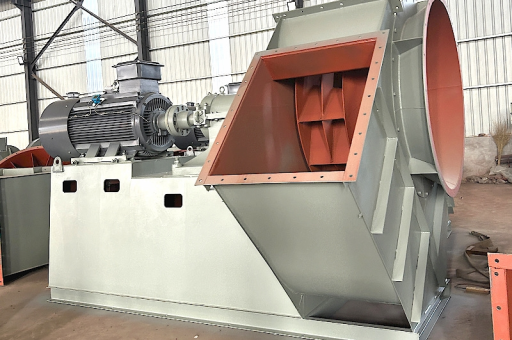
Based on your keywords, it sounds like you are looking for a centrifugal fan (or blower) that can be paired with an 11kW (approximately 15 HP) motor for an industrial dust collection or fume extraction system.
Here is a breakdown of what that specification means, typical configurations, and what you should look for when sourcing this equipment.
Understanding the "11kW" Specification
- Power Rating: 11 kW is roughly 15 Horsepower (HP) .
- Airflow (CFM): Depending on the fan's design (pressure vs. volume), an 11kW motor typically moves:
- High Pressure (Dust Collection): 2,000 – 4,000 CFM at 8–15" static pressure (WG).
- Medium Pressure (General Ventilation): 4,000 – 8,000 CFM at 4–8" WG.
- Low Pressure (Exhaust): 8,000+ CFM at lower pressure.
- Electrical: Industrial 11kW motors are typically 3-Phase (380V/415V) . A VFD (Variable Frequency Drive) is highly recommended for soft-start and speed control.
Key Features for "Dust Removal" & "Smoke Exhaust"
For these applications, you need a fan designed to handle particulates and heat, not just a standard HVAC fan.
-
Wheel Type (Impeller):
- Backward Curved (BC): Best for clean air or light dust. High efficiency.
- Radial (Paddle Wheel): Best for heavy dust, sticky materials, or smoke. Self-cleaning, but less efficient.
- Forward Curved (FC): High volume, low pressure (good for low-resistance exhaust).
- Recommendation: For industrial dust, choose a Radial or Heavy-Duty Backward Inclined wheel.
-
Housing:
- Must be heavy-gauge steel (or stainless for corrosive smoke).
- Look for side access doors for cleaning.
- Direct drive (motor on shaft) is better for belt-free maintenance and dust control.
Common Configurations for an 11kW System
| Feature | Option A: High Pressure (Dust Collector) | Option B: High Volume (Smoke/Vapor Exhaust) |
|---|---|---|
| Fan Type | Centrifugal (Radial or BC) | Centrifugal (Backward Curved) |
| Drive | Belt Drive (allows RPM changes) | Direct Drive (VFD controlled) |
| Airflow (Est.) | 3,000 - 4,500 CFM | 5,000 - 8,000 CFM |
| Static Pressure | 10" - 16" WG | 4" - 8" WG |
| Typical Use | Baghouse, cartridge collector, chip collection | Welding fume, oven exhaust, paint booth |
What to Look for When Buying
When you search for this product, check these specifications carefully:
- RPM (Revolutions Per Minute): An 11kW motor at 2900 RPM (2-pole) will give high pressure. At 1450 RPM (4-pole), it gives higher torque and lower speed for large volumes.
- Inlet/Outlet Size: Typically 12" to 16" diameter for this power range.
- Certifications: Look for CE, UL, or ATEX (if for explosive dust like wood or metal).
- Sound Level: 11kW fans can be very loud (85-95 dB). You may need a silencer.
Example Specification (Hypothetical Product)
Model: CF-11kW-15HP Dust Collector Fan Motor: 11kW / 15HP, 3-Phase, 380V, 50Hz Speed: 2800 RPM Airflow: 3500 CFM (5940 m³/h) Static Pressure: 12" WG (3000 Pa) Wheel: Backward Inclined (for dust) or Radial Paddle (for heavy debris) Outlet: 14" diameter Weight: Approx. 180-220 kg
Critical Safety & System Note
THE FAN IS NOT THE DUST COLLECTOR.
Please ensure you understand the system design:
- If you are exhausting smoke/fumes -> The Fan is the main mover. The 11kW fan will pull air from the hood/duct and push it outside.
- If you are collecting dust (wood, metal, powder) -> You must install a Dust Collector (Baghouse, Cyclone, or Cartridge filter) BEFORE the fan. Placing the fan after the filter (clean air side) protects the fan blades from damage and prevents sparks from igniting dust.
Recommendation: Contact an industrial ventilation supplier (like Greenheck, Cincinnati Fan, New York Blower, or a Chinese manufacturer like CWSAC, Decent Machinery). Provide them with your Duct Length, Number of Pickup Points, and Material Type. Do not just buy the fan based on motor kW alone.





